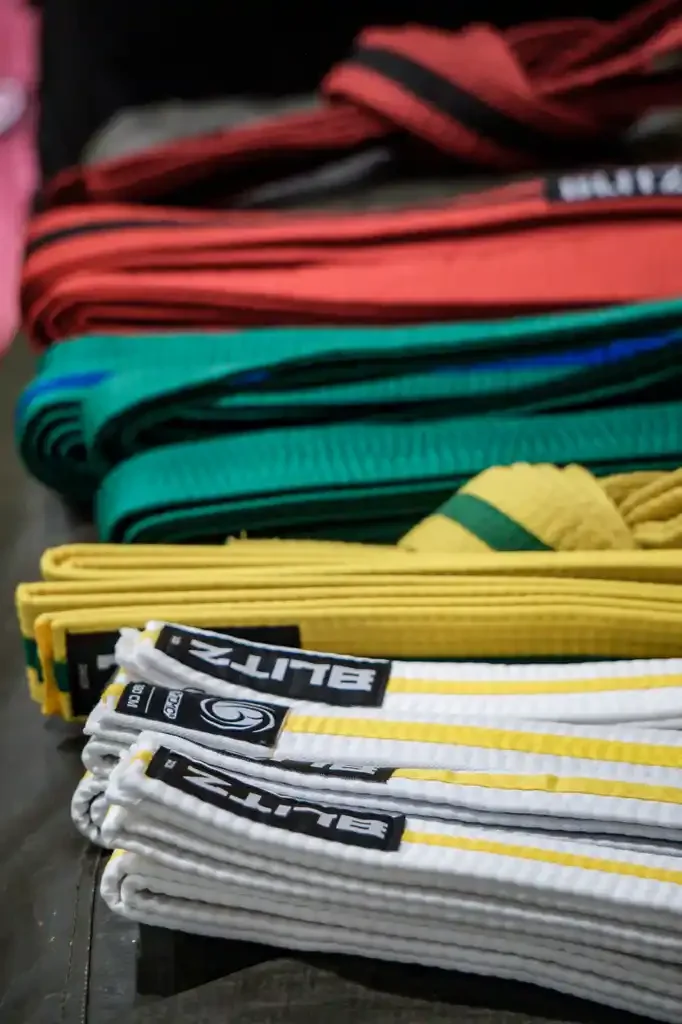
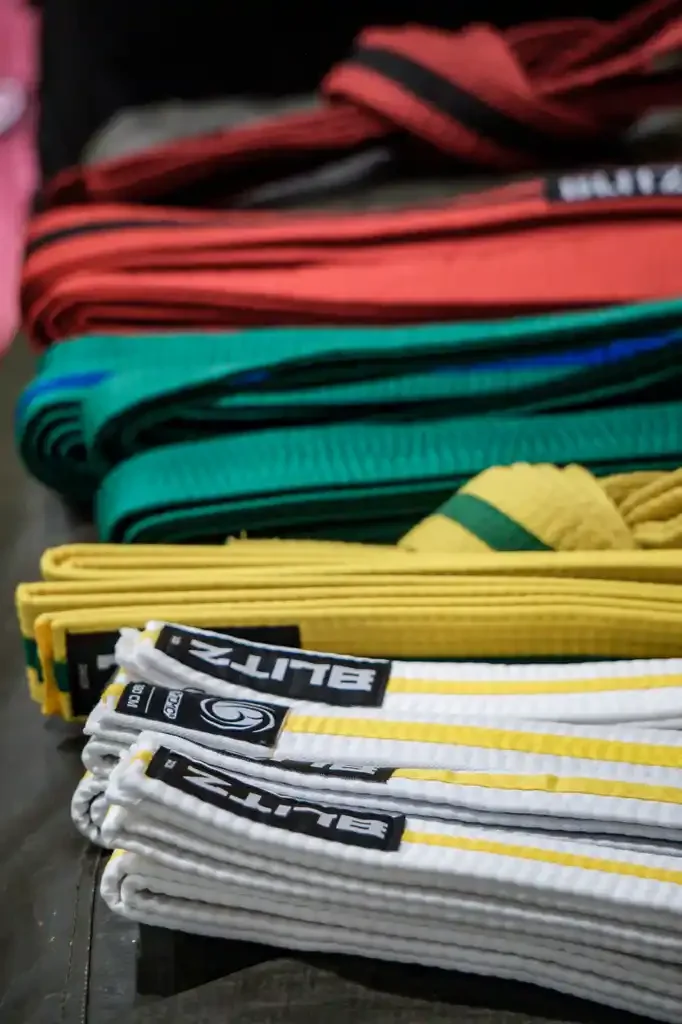
Learning to tie your own belt is more important than you might think. In Taekwon-Do, there are no shortcuts. Every lesson, every correction and every habit we develop is part of something bigger. And sometimes, that begins with something as seemingly insignificant as learning to tie your belt correctly.
It might appear to be a small detail. To some, perhaps even an unimportant one. But at Warwick & Leamington Taekwon-Do, we believe that standards matter.
By the time a student earns their yellow belt, regardless of age, they should be able to tie their own belt properly and consistently: the correct knot, positioned correctly, with the ends equal in length.
Not because we are obsessed with tidiness. Because small standards teach much bigger lessons.
When I see a student walk into class with their dobok worn correctly and their belt tied neatly, it tells me something. They have paid attention. They have taken responsibility for learning something they were taught. They care about their presentation and have made an effort to get the detail right.
None of those qualities is really about a belt. They are about attitude.
Conversely, when an intermediate student still cannot, or perhaps more importantly, will not, take responsibility for something so fundamental, it can indicate that they haven't yet developed the mindset required for the next stage of their training.
Because as students progress through Taekwon-Do, the margins become smaller.
At beginner level, we are learning movements. Later, we are refining them. Stances need greater accuracy, hand positions matter, timing matters, balance matters, power generation matters, the finishing position of a technique matters.
Eventually, detail is the difference between competent and excellent.
And you cannot suddenly switch attention to detail on when you reach black belt. It has to become a habit.
Standards become habits
Taekwon-Do is full of apparently "small" things that are actually teaching much larger lessons.
· How you tie your belt.
· How you wear your dobok.
· How you bow.
· How you enter and leave the dojang.
· How quickly you respond to an instruction.
· Whether you continue trying when something is difficult.
· Whether you practise something you aren't good at.
· Whether you accept correction positively.
· Whether you settle for "near enough" or work until something is right.
Individually, none of these things seems particularly significant. Collectively, however, they shape a person.
This is one of the reasons I believe the standards we set at Warwick & Leamington TKD matter far beyond producing good martial artists.
We are trying to develop people for whom high standards become normal.
Beyond the dojang
This is where the lesson becomes much bigger than Taekwon-Do. A child who learns that preparation matters today will eventually sit important examinations.
The habit of practising something repeatedly until it is right becomes the habit of revising properly rather than hoping for the best. One day, they will probably attend an interview.
The standards of presentation, confidence, courtesy and preparation that have become normal in the dojang suddenly have another application.
· Later, they enter employment.
· Being on time matters.
· Being appropriately presented matters.
· Listening carefully matters.
· Taking responsibility matters.
· Responding positively to criticism matters.
· Doing something correctly when nobody is watching matters.
· Being dependable matters.
And when opportunities for greater responsibility or promotion appear, these qualities matter enormously.
The belt was never really the lesson. The lesson was learning to take responsibility for yourself.
Excellence is built from small things
Over the years, I've seen talented students become frustrated at blue belt and beyond. Some feel that their progress has slowed. Some eventually lose motivation and walk away. Often, the issue isn't their physical ability.
As Taekwon-Do becomes more demanding, effort alone is no longer enough. Progress increasingly requires patience, discipline, self-analysis and attention to detail. The habits that seemed insignificant as a white or yellow belt suddenly become extremely important.
That is why we insist on standards from the beginning. Not because we expect beginners to be perfect. Quite the opposite.
We expect them to learn.
There is an enormous difference between someone who cannot yet do something and someone who has decided it doesn't matter.
· The first is a student.
· The second is a mindset we have a responsibility to challenge.
Parents — sometimes helping means not helping
This is particularly important for our younger students.
It is often quicker for Mum or Dad to tie the belt. But please resist the temptation.
· Let them struggle with it.
· Let them get it wrong.
· Show them again if necessary.
· Then let them try again.
Because the objective isn't simply to get a belt around their waist before class starts. The objective is for the child to experience the satisfaction that comes from mastering something for themselves.
· Today it's tying a belt.
· Tomorrow it's learning a difficult pattern.
· Later it might be revising for an examination, preparing for an interview or dealing with a difficult situation at work.
Eventually, the parent won't be there to tie the metaphorical belt for them. And that is precisely the point.
Take ownership of your standards
So, to our students: take ownership. Your belt is part of your uniform and part of your identity as a Taekwon-Do student. Learn to tie it properly. Don't settle for getting it roughly right. Practise until you don't even have to think about it.
· Then apply that same mentality to your patterns.
· Your fundamental movements.
· Your sparring.
· Your fitness.
· Your education.
· Your career.
· And eventually, to whatever you choose to pursue in life.
At Warwick & Leamington TKD, our aim isn't simply to produce people who are good at kicking and punching.
We want to develop people who understand what a high standard looks like, who have the discipline to achieve it and who are uncomfortable accepting less from themselves when they know they are capable of more.
That is part of the Do in Taekwon-Do.
The dojang gives us somewhere to practise those qualities. Life gives us somewhere to use them.
So yes, learning to tie your belt matters. Not because the belt itself is particularly important.
Because standards are.
And the standards you accept in the small things have a remarkable habit of becoming the standards you accept in everything else.